When it comes to motivating your team, there are multiple reward structures to choose from within an incentive program. However, picking the wrong one is an easy way to spend budget without moving the needle for your business.
Before you build (or rebuild) a program, it helps to understand four of the basic reward structures available, how each one could benefit your business and motivate the people who mean the most to your success.
Let’s dive into reward structure basics:
Start Here: Know Your Business, Know Your People
Every incentive program comes down to two things: what you’re trying to accomplish and who you’re trying to motivate. Knowing what keeps your business and your people moving and motivated is the core of creating a good incentive program. Skip understanding either one, and even a well-funded program can fall flat.
Once those are covered, how do you choose the right way to motivate your team to achieve higher performance levels? There are a few questions worth answering first:
- What’s the goal? What are you trying to accomplish, and why? Is it measurable? Is it realistic in your timeframe? Defining clear goals will eliminate confusion down the road.
- What’s the budget? If you’re developing a new program, it’s okay to start small and grow as your participants do. If this is an existing program, leverage your existing data to determine the most bang for your buck. (Note: At Motivation Excellence, we design programs that pay for themselves.)
- Who’s the audience? Age, role, location and lifestyle all shape what feels motivating to each individual. The right personalized reward will make your people feel truly appreciated.
Once those questions are answered, the reward structure decision gets a lot easier. When you’re ready for the next step, here are four basic buckets to consider for motivating and rewarding successful behavior.
Four Reward Structures to Consider
1. Reward Point Programs
A point-based program lets participants earn points incrementally, tied to whatever behavior matters most: sales, calls, leads or another measurable action. Then, much like popular loyalty programs, your people can redeem their points for experiences, travel, merchandise, or gift cards whenever they choose, whether it’s one gigantic top-tier item or several mid- or lower-tier selections. We even offer special event tickets as part of our redemption offerings.

The appeal here is choice. Instead of one prescribed reward, participants build toward whatever motivates them personally, which tends to keep engagement higher over a longer program cycle.
Works well for:
- Sales teams and company-wide programs where sustained, everyday engagement matters
- Channel partner and distributor programs where flexibility in redemption builds loyalty over time
It’s worth noting this is different from a package-style reward, where a winner receives one curated award rather than an accumulating points balance. If an ongoing points ledger isn’t the right fit for your program, personalized reward packages are worth exploring as an alternative.
2. Travel Incentives
One of the best ways to reward your people with experiences rather than “stuff” is the travel incentive, which is often tied to larger goals over a longer period of time and awarded to an elite group of performers. Since only top performers earn a spot, the reward feels earned rather than automatic.

You choose a destination and activities that fit the culture of your business — one your participants aren’t likely to get to on their own, like:
- A group dinner at Buckingham Palace in London
- An exclusive evening at a museum in Rome
- Cocktail hour at a private estate overlooking the ocean in Hawaii (just to name a few!)
Once goals are set, either individually or as an organization, progress (sales or other metrics) can be tracked to determine eligibility for the group travel experience.
Works well for:
- Sales teams and network marketing teams chasing longer-term, higher-stakes goals
- Distributor and partner programs where an elite tier of top performers needs a standout reward
3. Motivation Excellence B2B Buying Shows
Unlike a typical trade show open to anyone who registers, a Motivation Excellence B2B buying show is an exclusive event earned by channel partners who hit specific purchasing goals.
Buying shows bring your best customers, vendor partners and company leadership into the same room for show-only deals, product showcases and high-value networking, and it’s often paired with a group travel experience to raise the stakes even further.
Because access is earned rather than open, the buying show functions as both the incentive and a relationship-building event, which is part of why it’s shown real staying power in distribution-heavy industries like building supply and construction.
Works well for:
- Distributor and dealer networks where purchasing volume drives eligibility
- Organizations looking to combine a customer loyalty push with a memorable experience
4. Cash & Bonuses
Cash is the easiest go-to format, and often the first one companies reach for. It’s simple, but it comes with trade-offs: cash blends into a paycheck fast, it’s not the most personal option, and it can be easily forgotten. It also tends to be less motivating than other more personalized, aspirational rewards.
Although cash can be an effective motivator to hit goals on a deadline, many organizations (and recipients) don’t tie this incentive to a specific goal, often relegating it to an end-of-year bonus for overall performance.
Cash works better when it’s tied to a specific goal, and recipients are encouraged to put it toward something memorable like a personal milestone or travel experience. But we all know that extra cash often gets spent on unexpected bills, gas or groceries, even with the best of intentions.
Works Well For:
- Sales teams working toward short-term targets/goals
- Company-wide programs where speed and simplicity matter more than personalization

Curious why cash isn’t always the most motivating option? Check out our article: 4 Not-So-Obvious Benefits of Non-Cash Incentive Programs for a deeper dive into the research.
Which Reward Structure is Right for You?
Now that you know the right questions to ask and the different reward structures to choose from — which one is right for you?
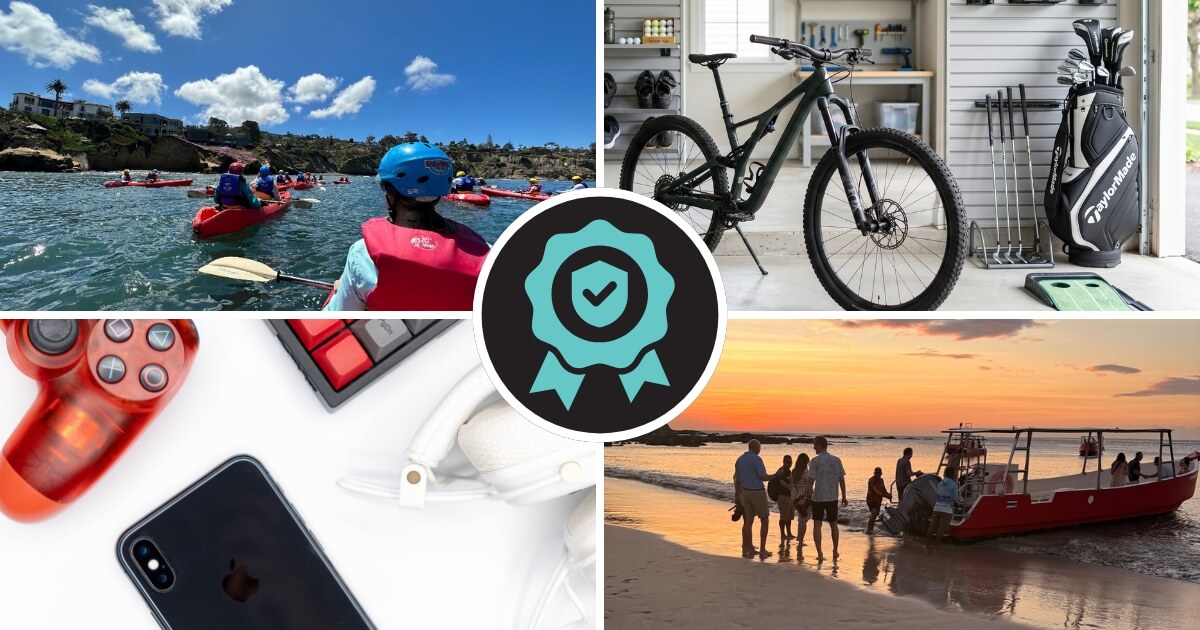
A sales team might run on a mix of point accrual for everyday activity and an annual travel incentive for the top-tier performers, while a distributor-facing program might pair a loyalty structure with a buying show as the earned reward. The right combination comes down to your goals, budget and what actually motivates the people you’re trying to reach.
Not sure where to start? Reach out to us, and we’ll discuss building an incentive program that fits your business, motivates your people and pays for itself through the results it drives.